-
-
-
-
-
-
Encrypting and decrypting archives with 7-Zip | Enable Sysadmin
March 8, 2022 - permalink - https://www.redhat.com/sysadmin/encrypting-decrypting-7zip$ tar -cf directory.tar
$ 7z a -p -mhe=on directory.tar.7z directory.tar
======================
7z x archive.tar.7z
tar xvf archive.tar
-
-
-
Patrick's Parabox PuzzleScript demake by competor
March 6, 2022 - permalink - https://competor.itch.io/patricks-parabox-puzzlescript-demakele genre de puzzlegame bien sympa (et prise de tete :D)
via sebsauvage
-
Vim for all level
March 4, 2022 - permalink - https://thevaluable.dev/tags/vim/Practical vim tips and trick for all level
-
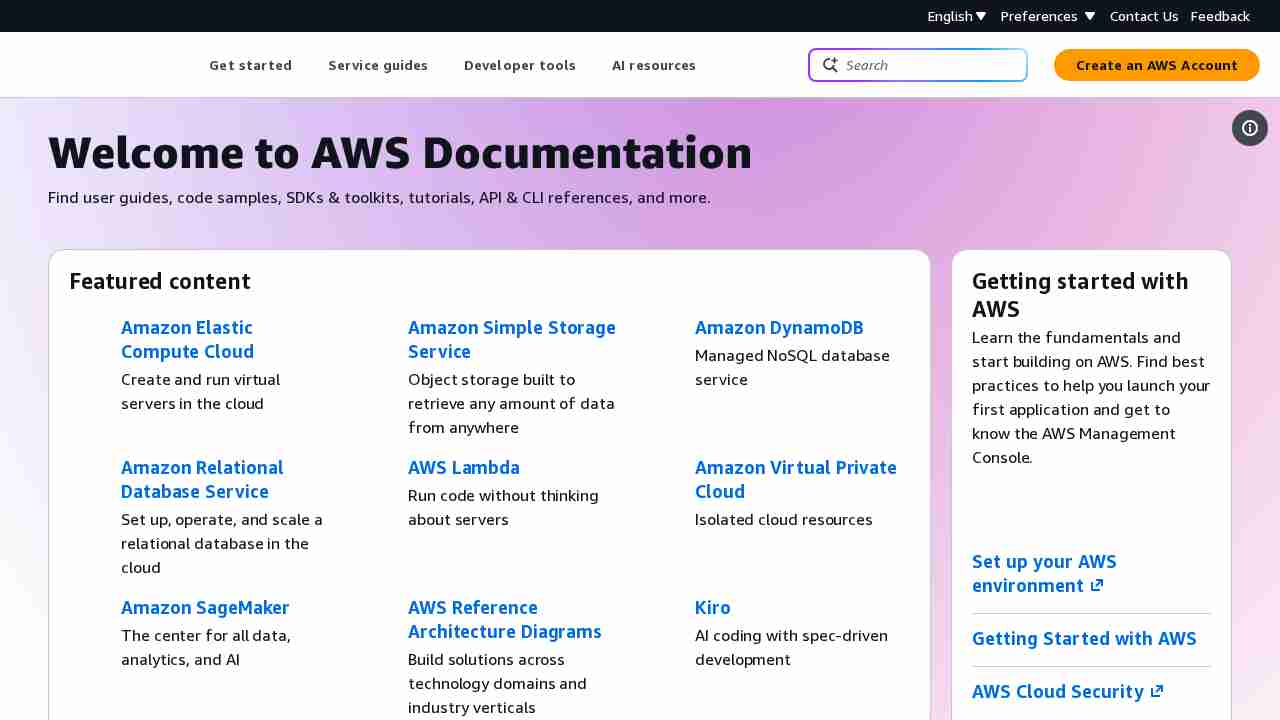
AWS Documentation
March 4, 2022 - permalink - https://docs.aws.amazon.com/index.htmlAws documentation index, and for each product doc you can get a RSS feed
-
-
-
-
-
-
-
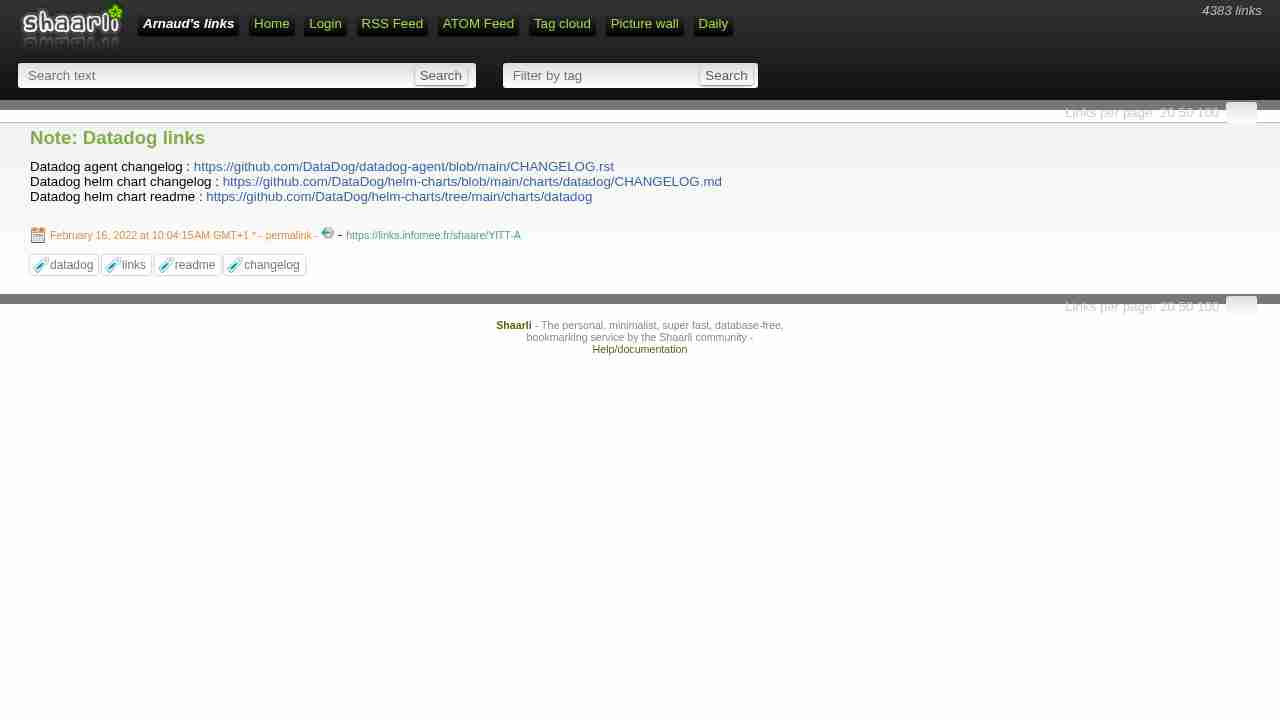
Note: Datadog links
February 16, 2022 - permalink - https://links.infomee.fr/shaare/YlTT-ADatadog agent changelog : https://github.com/DataDog/datadog-agent/blob/main/CHANGELOG.rst
Datadog helm chart changelog : https://github.com/DataDog/helm-charts/blob/main/charts/datadog/CHANGELOG.md
Datadog helm chart readme : https://github.com/DataDog/helm-charts/tree/main/charts/datadog
-
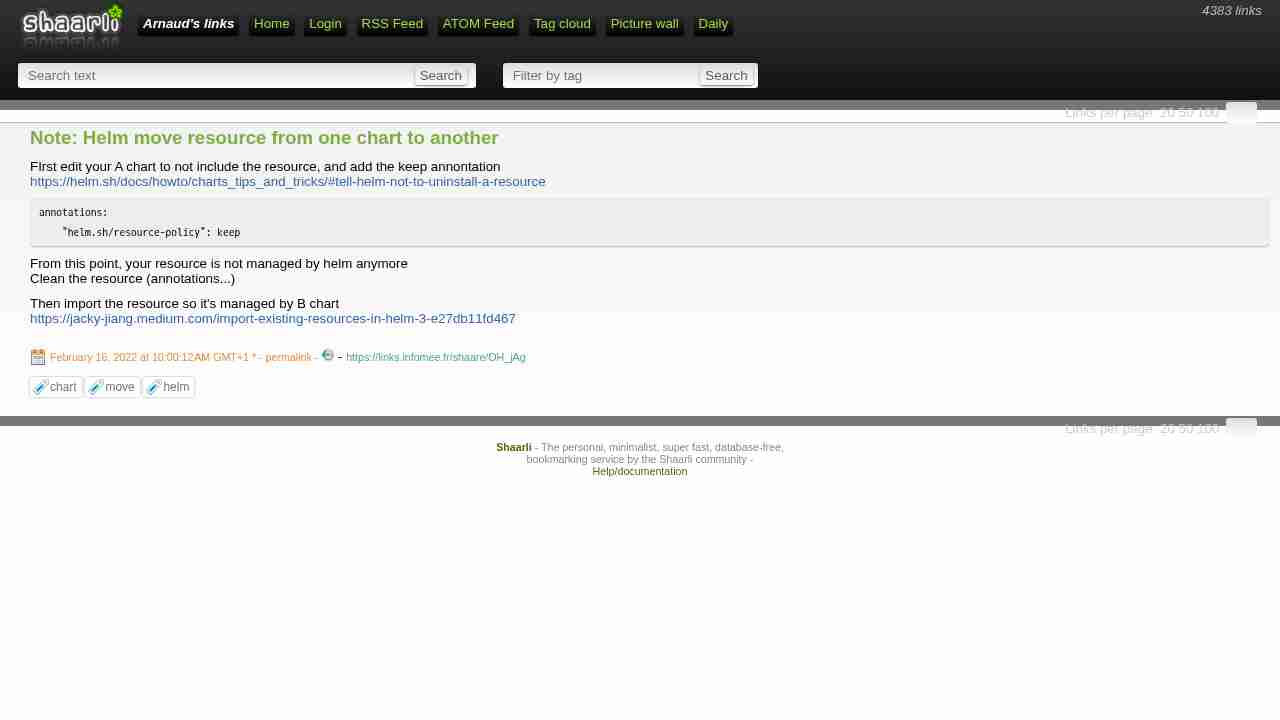
Note: Helm move resource from one chart to another
February 16, 2022 - permalink - https://links.infomee.fr/shaare/OH_jAgFIrst edit your A chart to not include the resource, and add the keep annontation
https://helm.sh/docs/howto/charts_tips_and_tricks/#tell-helm-not-to-uninstall-a-resourceannotations: "helm.sh/resource-policy": keepFrom this point, your resource is not managed by helm anymore
Clean the resource (annotations...)Then import the resource so it's managed by B chart
https://jacky-jiang.medium.com/import-existing-resources-in-helm-3-e27db11fd467
-
Know your metrics
February 15, 2022 - permalink - https://docs.datadoghq.com/dashboards/guide/query-to-the-graph/#proceed-to-time-aggregationIt's worth to think about your rollup/aggregation strategy
For metrics-like errors, its better to show the worst case scenario with max/max
-
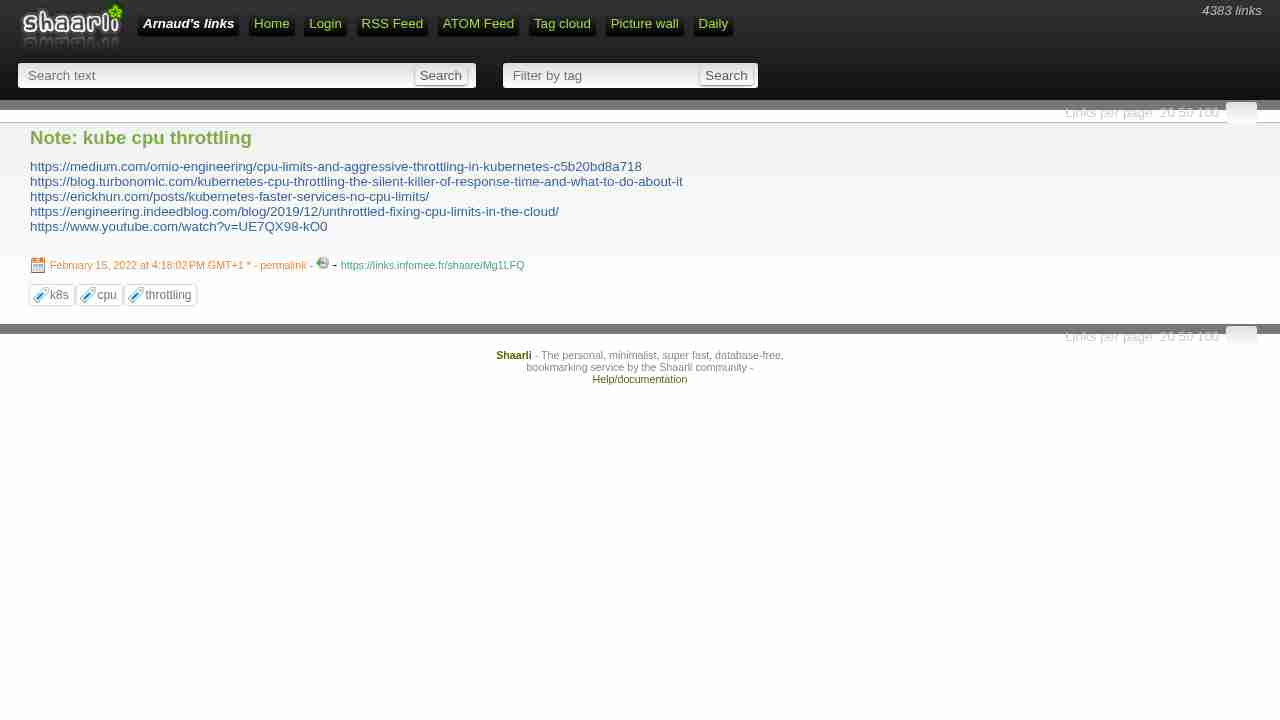
Note: kube cpu throttling
February 15, 2022 - permalink - https://links.infomee.fr/shaare/Mg1LFQhttps://medium.com/omio-engineering/cpu-limits-and-aggressive-throttling-in-kubernetes-c5b20bd8a718
https://blog.turbonomic.com/kubernetes-cpu-throttling-the-silent-killer-of-response-time-and-what-to-do-about-it
https://erickhun.com/posts/kubernetes-faster-services-no-cpu-limits/
https://engineering.indeedblog.com/blog/2019/12/unthrottled-fixing-cpu-limits-in-the-cloud/
https://www.youtube.com/watch?v=UE7QX98-kO0
-
Regardez "Reuven M. Lerner - Practical decorators - PyCon 2019" sur YouTube
February 11, 2022 - permalink - https://youtu.be/MjHpMCIvwsYYou want to really understand decorators? Watch this video!
boilerplate:
import functools

def decorator(func):
    @functools.wraps(func)
    def wrapper_decorator(*args, **kwargs):
        # Do something before
        value = func(*args, **kwargs)
        # Do something after
        return value
    return wrapper_decorator
-
-
-
-
-
r/ricing: Desktop customization advice and information
February 10, 2022 - permalink - https://www.reddit.com/r/ricingSi j'avais le temps, ca me plairait bien !
-
-
Specifications — The Hitchhiker's Guide to Packaging 1.0 documentation
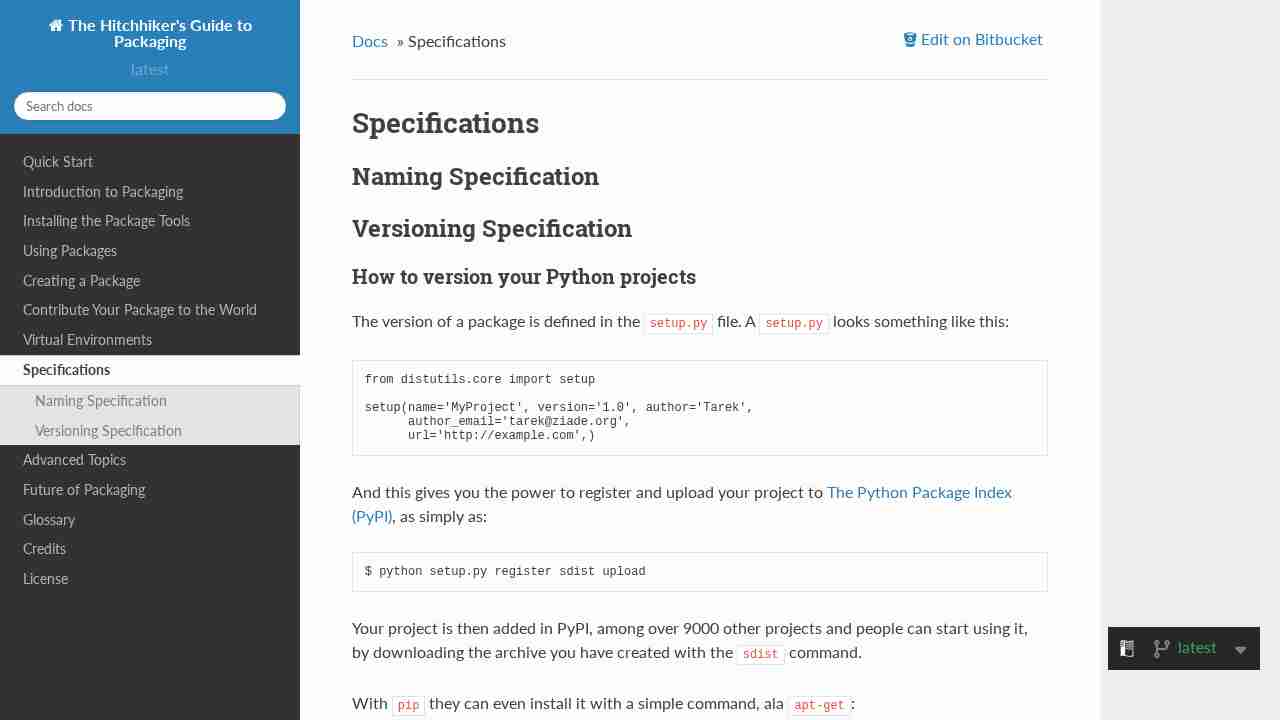
February 7, 2022 - permalink - https://the-hitchhikers-guide-to-packaging.readthedocs.io/en/latest/specification.htmlWhen you want to publish a beta version, you can use a special tag that won't be proposed to client using pip install package --upgrade
example :
current version = 3.0.1
next version = 3.1.0I can tag with 3.1.0-alpha.1
pip install --upgrade won't upgrade to this version but pip install package==3.1.0-alpha.1 will
-
Bubble sort algo
February 6, 2022 - permalink - https://www.geeksforgeeks.org/bubble-sort/def bubbleSort(arr):
n = len(arr)# Traverse through all array elements for i in range(n): # Last i elements are already in place for j in range(0, n-i-1): # traverse the array from 0 to n-i-1 # Swap if the element found is greater # than the next element if arr[j] > arr[j+1] : arr[j], arr[j+1] = arr[j+1], arr[j
-
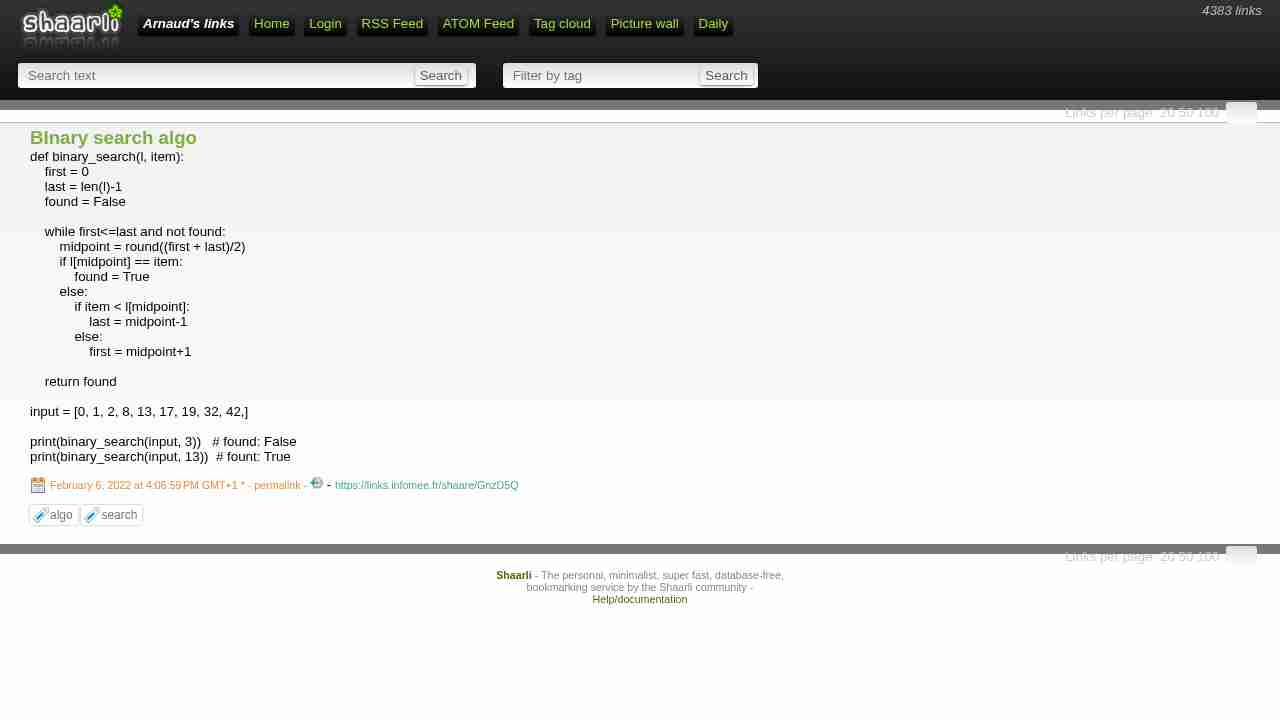
BInary search algo
February 6, 2022 - permalink - https://links.infomee.fr/shaare/GnzD5Qdef binary_search(l, item):
first = 0
last = len(l)-1
found = Falsewhile first<=last and not found: midpoint = round((first + last)/2) if l[midpoint] == item: found = True else: if item < l[midpoint]: last = midpoint-1 else: first = midpoint+1 return foundinput = [0, 1, 2, 8, 13, 17, 19, 32, 42,]
print(binary_search(input, 3)) # found: False
print(binary_search(input, 13)) # fount: True
-
Quick sort algo
February 6, 2022 - permalink - https://www.integralist.co.uk/posts/algorithmic-complexity-in-python/from random import randrange
input = [10, 5, 2, 3, 7, 0, 9, 12]
def quicksort(arr):
if len(arr) < 2:
return arr
else:
rand = randrange(0, len(arr)) # grab a random index
pivot = arr.pop(rand)
less = [i for i in arr if i <= pivot]
greater = [i for i in arr if i > pivot]
return quicksort(less) + [pivot] + quicksort(greater)print("sorted: ", quicksort(input))
-
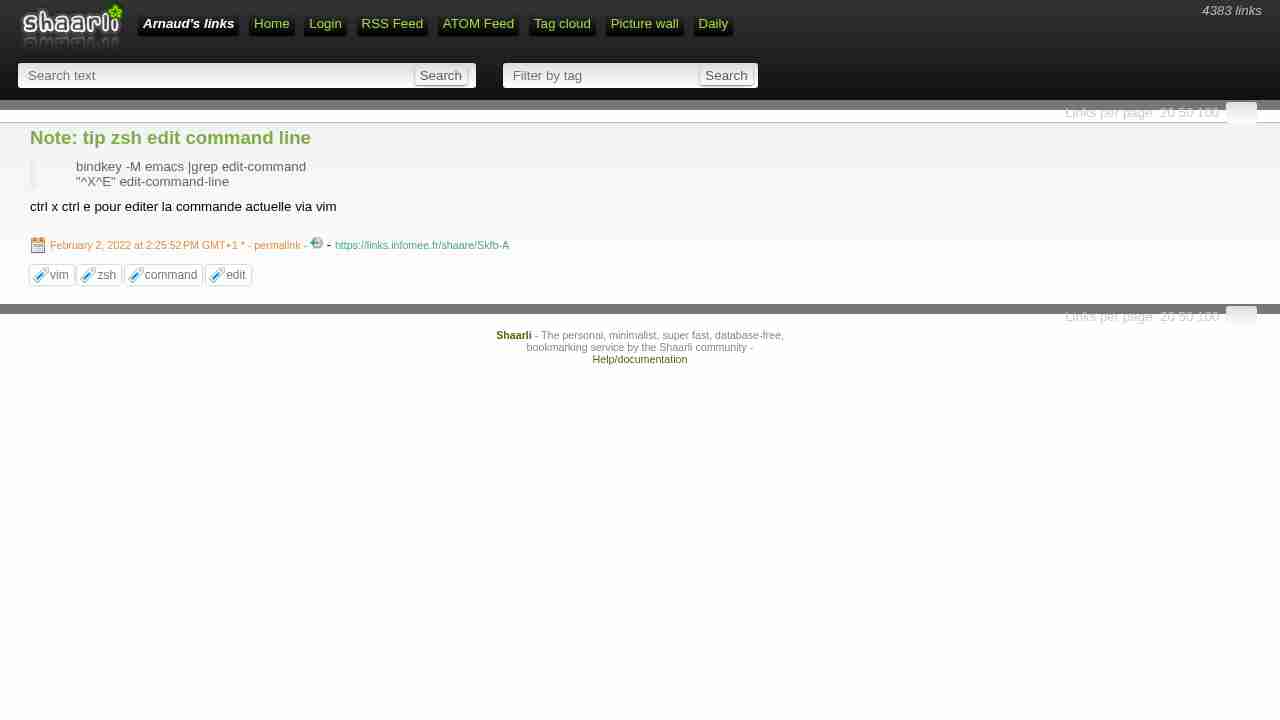
Note: tip zsh edit command line
February 2, 2022 - permalink - https://links.infomee.fr/shaare/Skfb-Abindkey -M emacs |grep edit-command
"^X^E" edit-command-linectrl x ctrl e pour editer la commande actuelle via vim
-
-
-
-
-
-
PocketTube: YouTube Subscription Manager
January 14, 2022 - permalink - https://yousub.info/Je viens de découvrir pocketTube et j'ai hate de tester ça. Il y a une extension Firefox et meme un app Android.
L'idée c'est de pouvoir grouper les channels Youtube par thématique mais aussi et surtout voir toutes les vidéos par date de parution et ne pas en louper car elles sont zappées par l'algo de Youtube (qui est utilisé dans la partie "Mes abonnements")
-
-
loops - How to for_each through a list(objects) in Terraform 0.12 - Stack Overflow
January 11, 2022 - permalink - https://stackoverflow.com/questions/58594506/how-to-for-each-through-a-listobjects-in-terraform-0-12foreach list of objects
[{
   name = "xxx"
   description = "xxx"
   param = "xxx"
},
...
]
for_each = { for item in var.items: item.name => item } name = each.key OU each.value.name description = each.value.description
-
-
https://web0.small-web.org/
January 6, 2022 - permalink - https://web0.small-web.org/Ne pas oublier que le web a été pensé pour être décentralisé dès le départ : chacun peut posséder ses données, les héberger à la maison, publier son site depuis le raspberry du salon etc..
Via sebsauvage
-
-
-
Restricting access to Amazon S3 content by using an origin access identity (OAI) - Amazon CloudFront
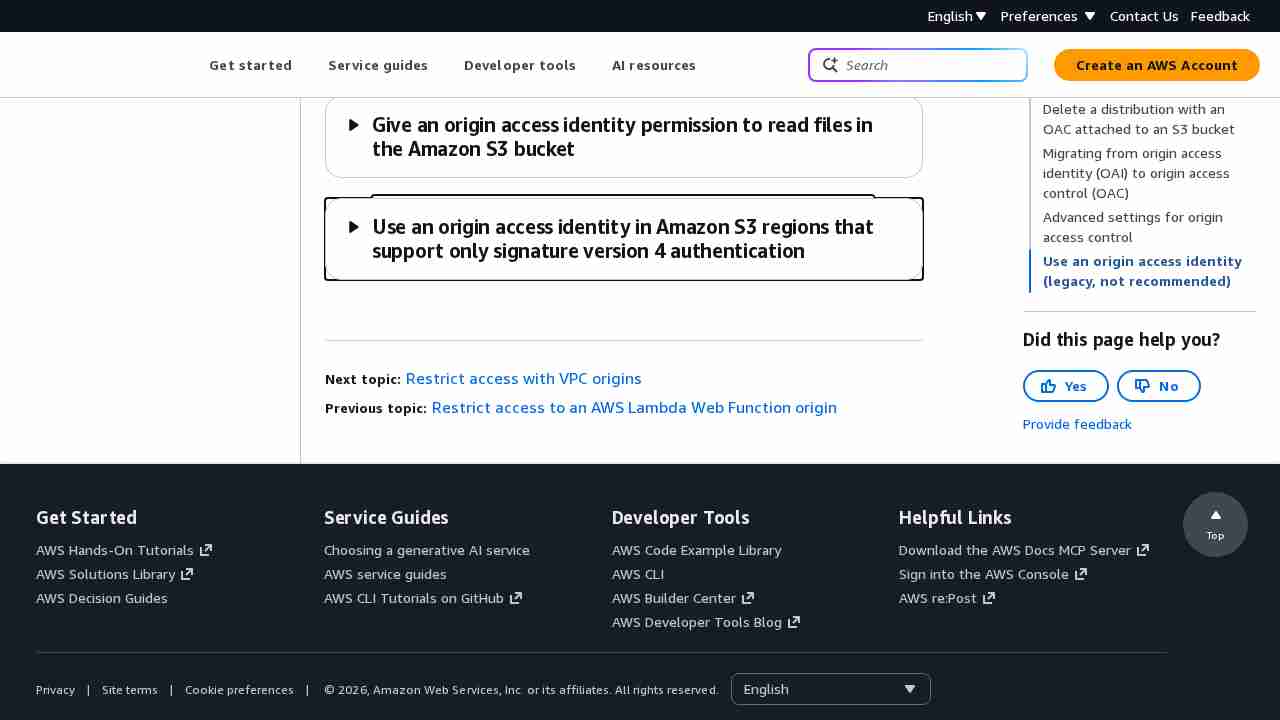
January 4, 2022 - permalink - https://docs.aws.amazon.com/AmazonCloudFront/latest/DeveloperGuide/private-content-restricting-access-to-s3.html#private-content-origin-access-identity-signature-version-4Note à moi même : il faut faire attention aux headers qu'on forward à l'origine dans ce cas précis car ça peut poser des problemes d'authent' entre cloudfront et le bucket s3
-
python - Django template can't loop defaultdict - Stack Overflow
December 29, 2021 - permalink - https://stackoverflow.com/questions/4764110/django-template-cant-loop-defaultdictdjango template does not like defaultdict, 2 solutions:
1) set default_factory to None
or
2) cast defaultdict to a simpledict"The template variable resolution algorithm in Django will attempt to resolve new_data.items as new_data['items'] first, which resolves to an empty list when using defaultdict(list)."
-
-
Gather | A better way to meet online.
November 26, 2021 - permalink - https://www.gather.town/J'adore le concept, recréer des locaux virtuels où on peut aller tape sur l'épaule d'un collègue, se réunir dans une salle de réunion, devant un tableau blanc.. excellent !
-