-
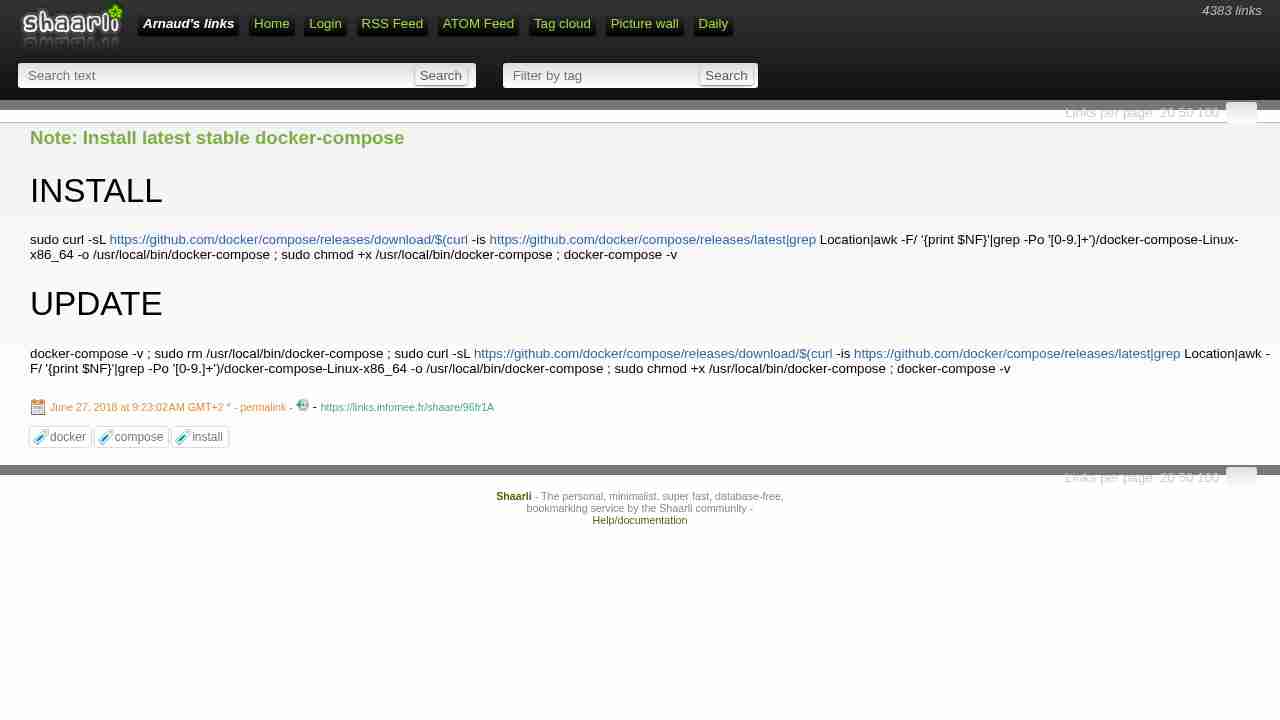
Note: Install latest stable docker-compose
June 27, 2018 - permalink - https://links.infomee.fr/shaare/96fr1AINSTALL
sudo curl -sL https://github.com/docker/compose/releases/download/$(curl -is https://github.com/docker/compose/releases/latest|grep Location|awk -F/ '{print $NF}'|grep -Po '[0-9.]+')/docker-compose-Linux-x86_64 -o /usr/local/bin/docker-compose ; sudo chmod +x /usr/local/bin/docker-compose ; docker-compose -v
UPDATE
docker-compose -v ; sudo rm /usr/local/bin/docker-compose ; sudo curl -sL https://github.com/docker/compose/releases/download/$(curl -is https://github.com/docker/compose/releases/latest|grep Location|awk -F/ '{print $NF}'|grep -Po '[0-9.]+')/docker-compose-Linux-x86_64 -o /usr/local/bin/docker-compose ; sudo chmod +x /usr/local/bin/docker-compose ; docker-compose -v
-
-
-
GitHub - jirsbek/SSH-keys-in-macOS-Sierra-keychain: Saving SSH keys in macOS Sierra keychain
June 11, 2018 - permalink - https://github.com/jirsbek/SSH-keys-in-macOS-Sierra-keychainSolution 1 (recommended)
Apple updated its Technical Notes to indicate that since 10.12.2, macOS includes version 7.3p1 of OpenSSH and its new behaviors.
In ~/.ssh create config file with the following content:
Host * (asterisk for all hosts or add specific host)
AddKeysToAgent yes
UseKeychain yes
IdentityFile (e.g. ~/.ssh/userKey)
-
Note: je m'en souviendrai jamais
June 8, 2018 - permalink - https://links.infomee.fr/shaare/f7WQeAcela suffit
cela ne suffit pascela a suffi
cela n'a pas suffi
-
-
dotfiles/ecc at master · arnaudmm/dotfiles
June 6, 2018 - permalink - https://github.com/arnaudmm/dotfiles/blob/master/eccwhen you are bored doing docker exec -ti foo bash
-
-
-
-
-
macos - iTerm2: Alt-Dot functionality with Cmd-Dot - Super User
June 3, 2018 - permalink - https://superuser.com/questions/703911/iterm2-alt-dot-functionality-with-cmd-dotCreate a new key shortcut
alt + shit + ;
send escape sequence + "."
-
-
-
-
-
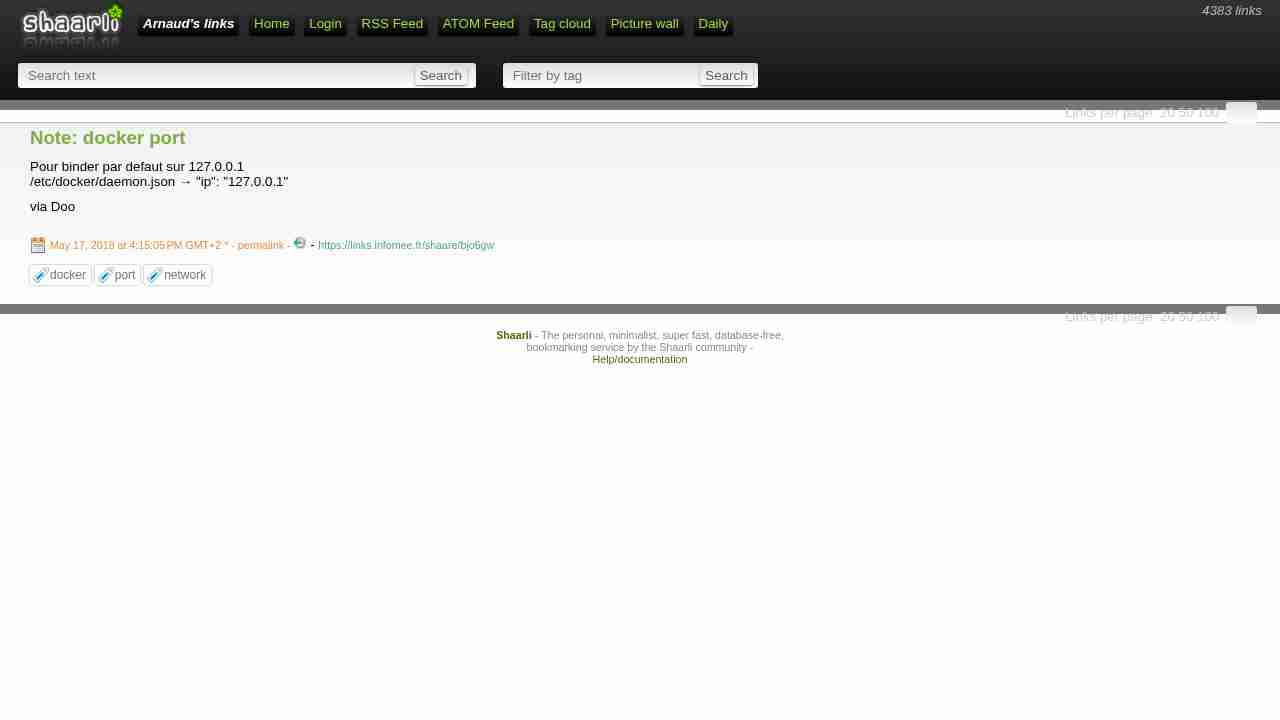
Note: docker port
May 17, 2018 - permalink - https://links.infomee.fr/shaare/bjo6gwPour binder par defaut sur 127.0.0.1
/etc/docker/daemon.json → "ip": "127.0.0.1"via Doo
-
Unix/Linux find and sort by date modified - Super User
May 15, 2018 - permalink - https://superuser.com/questions/294161/unix-linux-find-and-sort-by-date-modifiedfind . -printf "%T@ %Tc %p\n" | sort -n
printf arguments from man find:
%Tk: File's last modification time in the format specified by k.

@: seconds since Jan. 1, 1970, 00:00 GMT, with fractional part.

c: locale's date and time (Sat Nov 04 12:02:33 EST 1989).

%p: File's name.
-
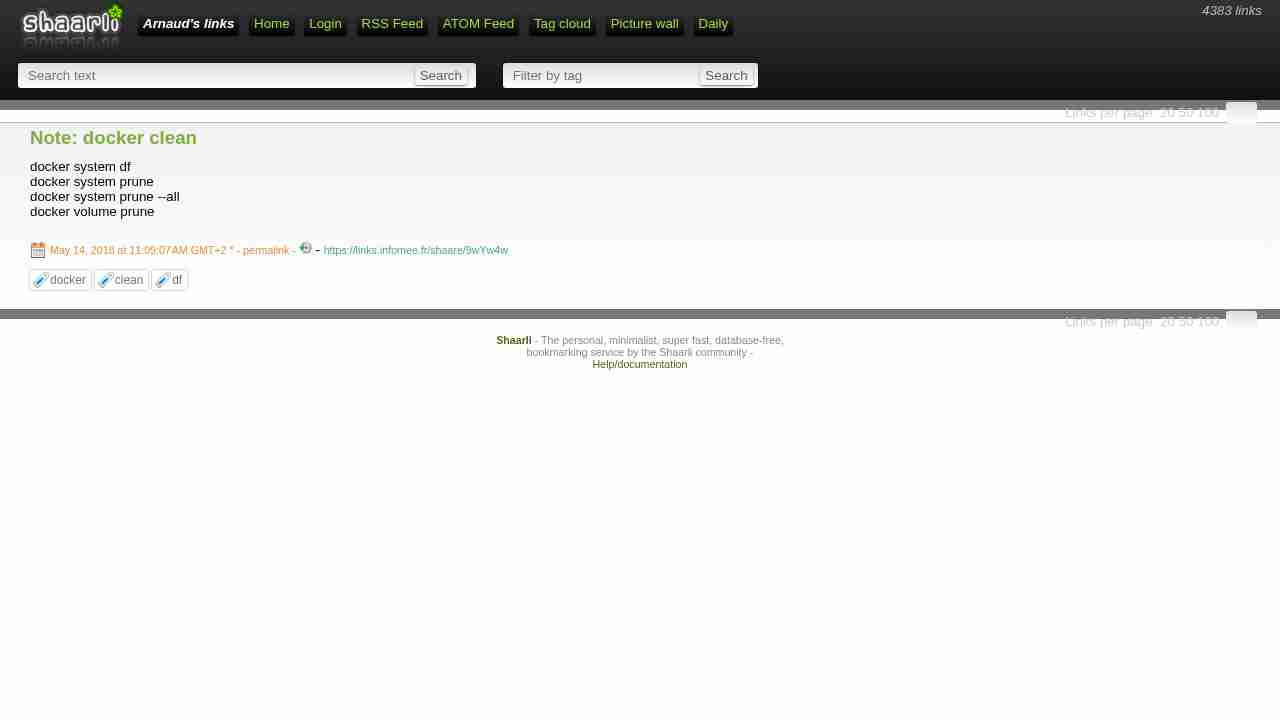
Note: docker clean
May 14, 2018 - permalink - https://links.infomee.fr/shaare/9wYw4wdocker system df
docker system prune
docker system prune --all
docker volume prune
-
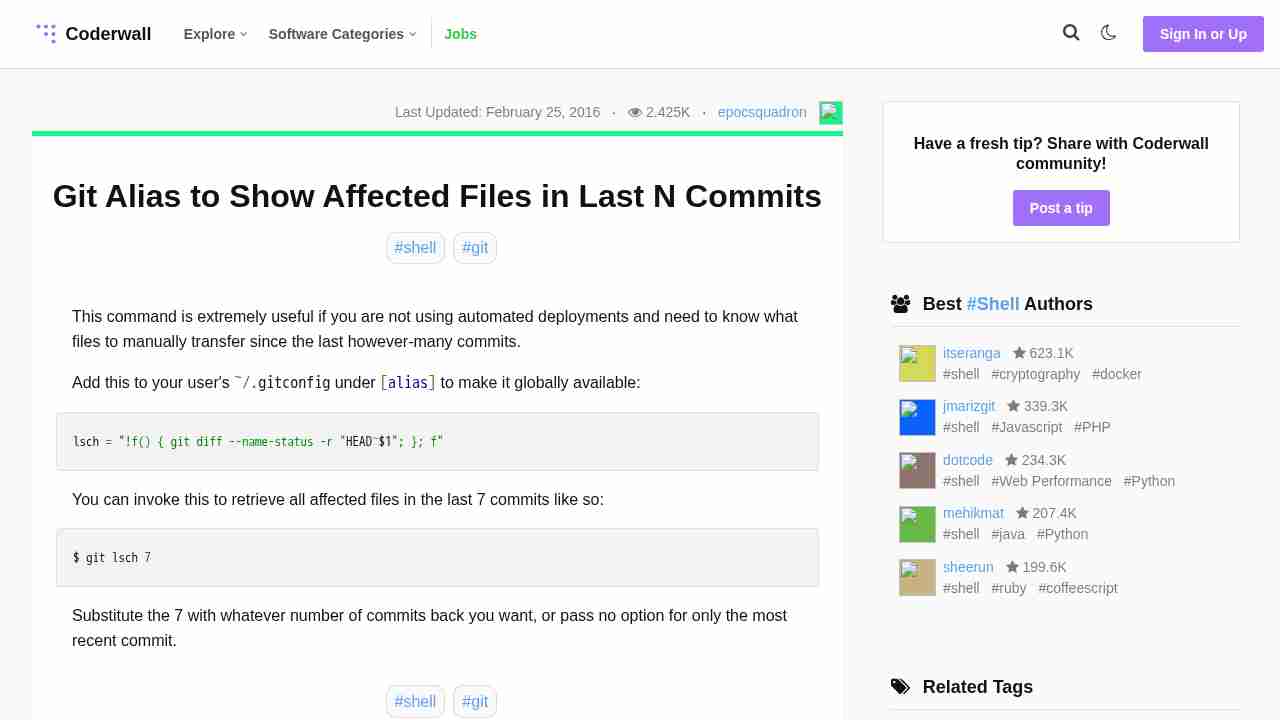
Git Alias to Show Affected Files in Last N Commits (Example)
May 3, 2018 - permalink - https://coderwall.com/p/8rtfgg/git-alias-to-show-affected-files-in-last-n-commitsAdd this to your user's ~/.gitconfig under [alias] to make it globally available:
lsch = "!f() { git diff --name-status -r "HEAD~$1"; }; f"
You can invoke this to retrieve all affected files in the last 7 commits like so:
$ git lsch 7
-
-
-
-
-
-
javascript - Is a list/array valid JSON? - Stack Overflow
March 26, 2018 - permalink - https://stackoverflow.com/questions/19623339/is-a-list-array-valid-json31
down vote
acceptedBoth forms are valid. However, for an API, I would recommend the second form. The reason is that it gives you a path for expansion of your API.
For example, if you have an API getUsersInGroup which returns an array of user objects, and later you decide you want to include, say, some aggregate statistics about the users being returned, there's no easy way to do that without breaking existing clients (or including lots of redundant data in each user object). If you use an object, you simply add another field to the object which is silently ignored by clients on a previous version of the API.
In short, try to avoid top-level primitives wherever possible in your API, and you'll find it easier to expand in the future.
-
SELECT – Redis
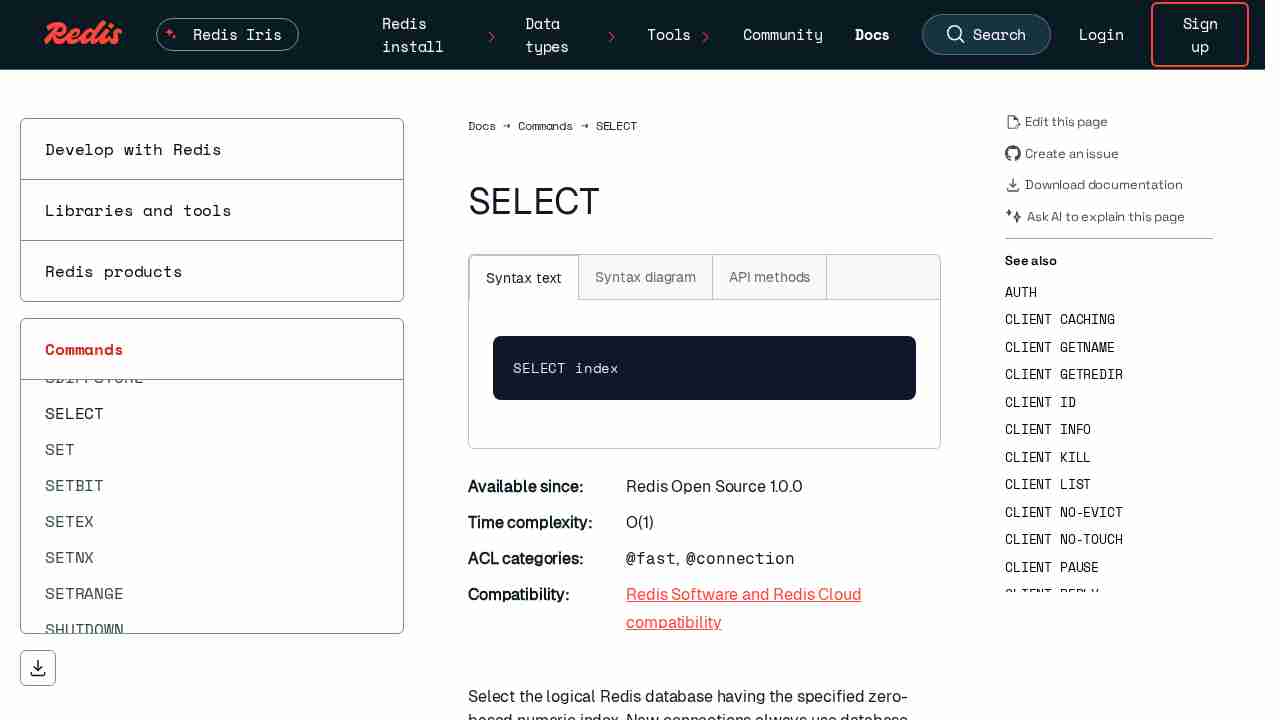
March 24, 2018 - permalink - https://redis.io/commands/selectToday I worked with an app storing its key not into the default 'database/namespace' in redis.
(default is 0)
The app stores into 12. So I had to 'select 12' before being able to query keys
-
Conférence sur l’analyse de malwares – Korben
March 23, 2018 - permalink - https://korben.info/conference-sur-lanalyse-de-malwares.htmlinteressant, ça a l'air sympa comme job!
TIL : strings command
-
-
Configure HAProxy for userlists
March 16, 2018 - permalink - https://gist.github.com/Iristyle/5005653Create SHA512 passwords
make sure to use a leading space so that the command is not stored in your bash history!!
mkpasswd -m sha-512 password1
generates -> $6$yMgsow58.g/Z$mBjHfdVzqcF/LN.iwV23Eyqg.yGPTsp9pOwaStsJ6c4I4zL7BhucVVAkv5guf7OVRr8Pw0mHF4NrWBRCG5ci7/
mkpasswd -m sha-512 password2
generates -> $6$RZ86vRkQ$aRKN1HOsk6bDHBbMhS7jSo/p1NGFl4PvwY3KpU.72i./LvITi41nL84EkxOFXl.6Bmhynj/L7pYbfF0rUHtOB0
Edit /etc/haproxy/haproxy.cfg
userlist UsersFor_Ops
group AdminGroup users userone,usertwo
user userone password $6$yMgsow58.g/Z$mBjHfdVzqcF/LN.iwV23Eyqg.yGPTsp9pOwaStsJ6c4I4zL7BhucVVAkv5guf7OVRr8Pw0mHF4NrWBRCG5ci7/
user usertwo password $6$RZ86vRkQ$aRKN1HOsk6bDHBbMhS7jSo/p1NGFl4PvwY3KpU.72i./LvITi41nL84EkxOFXl.6Bmhynj/L7pYbfF0rUHtOB0...
backend myserver
mode http
server myserver 1.1.1.1:80
acl AuthOkay_Ops http_auth(UsersFor_Ops)
http-request auth realm MyAuthRealm if !AuthOkay_Ops
-
-
Git push rejected after feature branch rebase - Stack Overflow
January 25, 2018 - permalink - https://stackoverflow.com/questions/8939977/git-push-rejected-after-feature-branch-rebaseInstead of using -f or --force developers should use
--force-with-lease
Why? Because it checks the remote branch for changes which is absolutely a good idea. Let's imagine that James and Lisa are working on the same feature branch and Lisa has pushed a commit. James now rebases his local branch and is rejected when trying to push. Of course James thinks this is due to rebase and uses --force and would rewrite all Lisa's changes. If James had used --force-with-lease he would have received a warning that there are commits done by someone else. I don't see why anyone would use --force instead of --force-with-lease when pushing after a rebase.
-
-
Quickstart — Requests 2.18.4 documentation
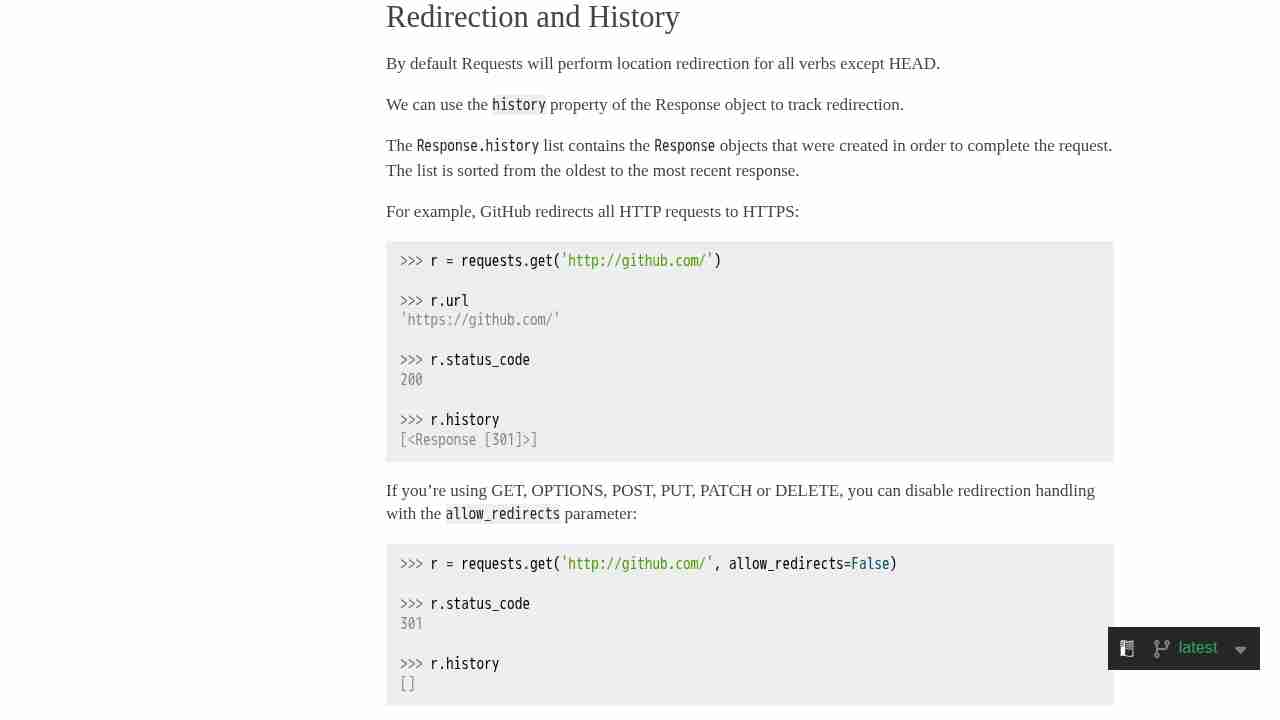
January 11, 2018 - permalink - http://docs.python-requests.org/en/master/user/quickstart/#redirection-and-historyGood to know because it hurts me so bad:
When doing a put/post request with requests library, if the response is a redirect, request do the request again BUT with GET method...-,-
-
-
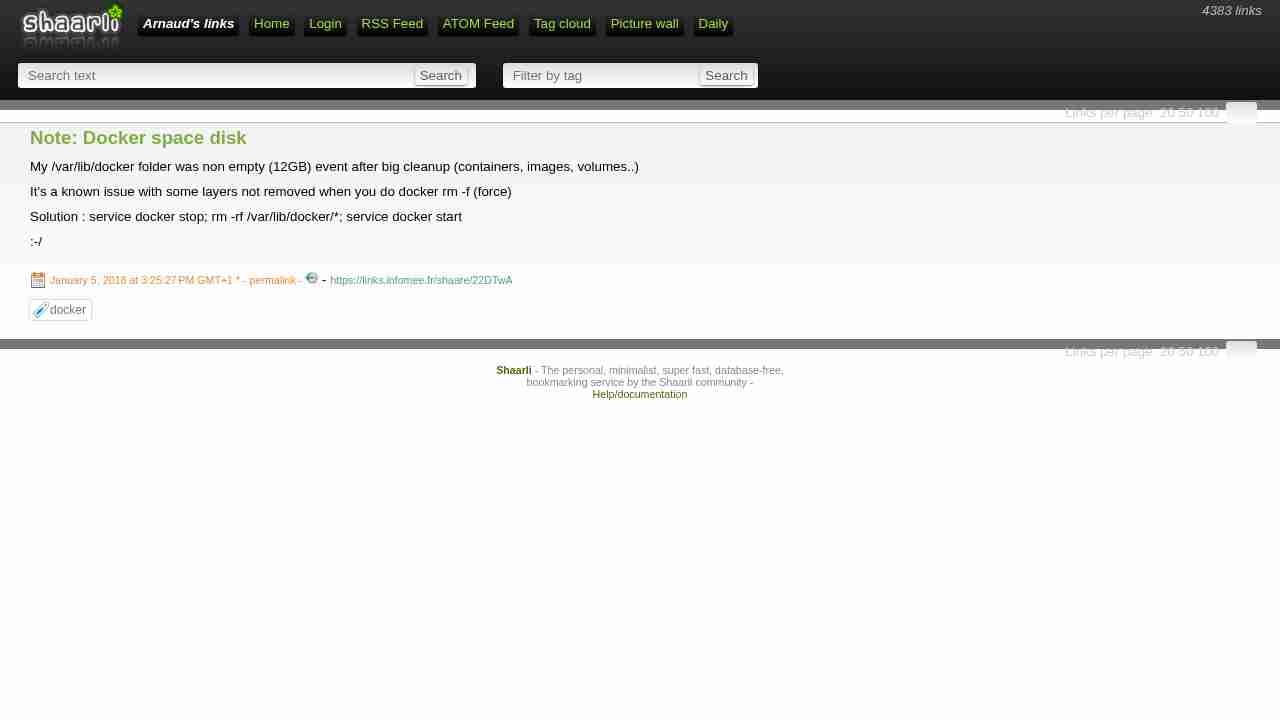
Note: Docker space disk
January 5, 2018 - permalink - https://links.infomee.fr/shaare/22DTwAMy /var/lib/docker folder was non empty (12GB) event after big cleanup (containers, images, volumes..)
It's a known issue with some layers not removed when you do docker rm -f (force)
Solution : service docker stop; rm -rf /var/lib/docker/*; service docker start
:-/
-
unicode - grepping binary files and UTF16 - Stack Overflow
January 5, 2018 - permalink - https://stackoverflow.com/questions/3752913/grepping-binary-files-and-utf16The easiest way is to just convert the text file to utf-8 and pipe that to grep:
iconv -f utf-16 -t utf-8 file.txt | grep query
-
-
-
ldapsearch for operational attribute | CA Communities
December 28, 2017 - permalink - https://communities.ca.com/thread/241762082-ldapsearch-for-operational-attributeThe operational attributes contained in an entry can be returned by ldapsearch by:
Explicitly listing them
ldapsearch -x -h host:port -b c=au "(oc=*)" createTimestamp modifyTimestampOr by returning all of them with the special + character
ldapsearch -x -h host:port -b c=au "(oc=*)" +Or all attributes including operational attributes can be returned by including "*" +
ldapsearch -x -h host:port -b c=au "(oc=*)" "*" +
-
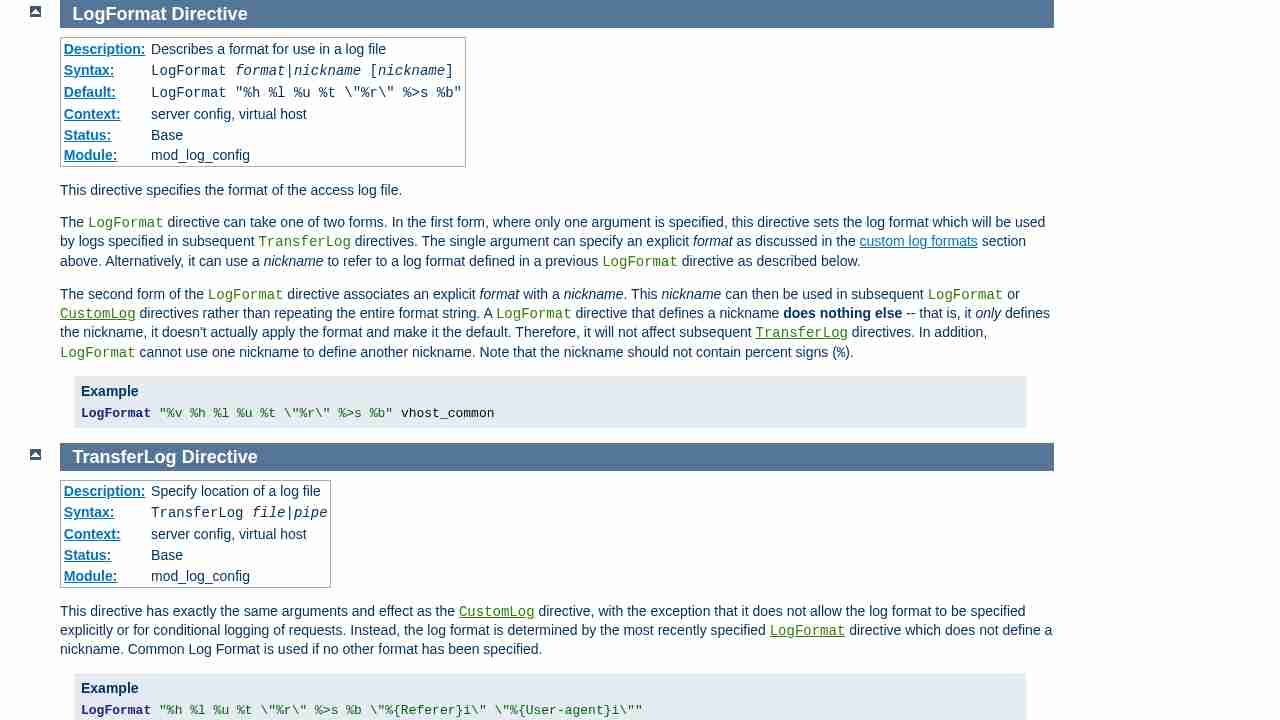
mod_log_config - Apache HTTP Server Version 2.4
December 22, 2017 - permalink - http://httpd.apache.org/docs/current/mod/mod_log_config.html#logformat%{VARNAME}o The contents of VARNAME: header line(s) in the reply.
%{VARNAME}i The contents of VARNAME: header line(s) in the request sent to the server.
-
-
-
-
-
-
-
-
-